
Greenhouses That Make Plant Care Easier Year-Round
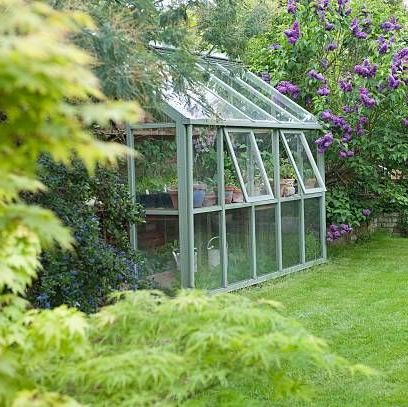
Greenhouses have transformed the way gardening enthusiasts and plant caretakers approach plant growth and maintenance. With the ability to cultivate plants year-round, greenhouses offer efficiency, convenience, and better results for seasoned gardeners and beginners alike. Designed to create a controlled environment, these structures eliminate seasonal limitations and help plants thrive no matter the weather.
This blog explores the benefits of greenhouses, showcasing how they simplify plant care while improving overall productivity and enjoyment.
Optimal Growing Conditions for Every Season
Greenhouses maintain a consistent growing environment, making it easier to nurture plants throughout the year. These structures shield plants from harsh weather, including heavy rain, frost, snow, and extreme heat. By controlling aspects like temperature, humidity, and light, greenhouses create a stable ecosystem that supports plant health and growth in every season.
Plants that may otherwise struggle during the colder months or hot summers can thrive in a greenhouse. Whether you’re cultivating tropical plants, flowers, or vegetables, having control over the environment ensures that your garden aligns perfectly with your goals, regardless of external conditions.
Increased Plant Variety
One of the most significant benefits of greenhouses is the ability to grow a wider variety of plants than traditional outdoor gardening. With the controlled conditions, gardeners can start growing exotic or climate-specific plants that might not survive in the local environment. For example, tomatoes, herbs, and peppers can grow well past their usual regional season, while plants like orchids and citrus thrive in stable greenhouse conditions.
The ability to experiment with a more extensive selection of plants makes gardening more exciting and rewarding. This advantage also allows you to customize your garden space to reflect your unique preferences and needs.
Extended Growing Seasons
Unlike traditional outdoor gardens, a greenhouse eliminates the limitations imposed by the average growing season. Without worrying about frost dates or seasonal changes, gardeners can start seedlings earlier and extend harvests longer. Even in areas with short summers or harsh winters, greenhouses keep the growing season alive, providing fresh flowers, vegetables, and crops year-round.
For individuals who rely on homegrown produce, a longer growing season ensures ongoing access to fruits and vegetables without the need to depend on grocery store alternatives. It also reduces food waste by allowing better control over crop rotation and scheduling.
Better Pest Control
Pests can wreak havoc on outdoor gardens, leaving plants damaged and compromising productivity. Greenhouses provide an effective barrier between plants and harmful insects, rodents, and other pests. With fewer pests to worry about, gardeners can dedicate more time to plant care and less to pest control measures.
The enclosed nature of greenhouses also makes it easier to manage potential pest infestations. Gardeners can utilize natural repellents, traps, and other eco-friendly solutions without worrying about affecting neighboring plants or gardens. Better pest control translates to healthier plants and more fruitful gardening results.
Simplified Watering and Irrigation
Watering can be a challenging task for outdoor gardens, especially during prolonged dry spells or heavy rains that either under-hydrate or over-saturate plants. With a greenhouse, irrigation needs are simplified. Gardeners can create customized watering systems that provide plants with the appropriate amount of moisture, reducing the stress of improper hydration.
Features like drip irrigation or automatic watering systems are especially effective in greenhouses, maintaining consistent soil moisture without manual labor. This advantage not only saves time but also contributes to healthier plants that are less prone to disease resulting from over- or under-watering.