What Is Wall Panelling and Why Should You Use It in Your Home?
Wall panelling has emerged as one of the most sought-after interior design trends, transforming ordinary spaces into sophisticated, visually appealing…

Wall panelling has emerged as one of the most sought-after interior design trends, transforming ordinary spaces into sophisticated, visually appealing environments. This versatile design element involves installing decorative panels or boards on walls to create texture, depth, and visual interest. Whether you’re looking to add character to a bland room or seeking a practical solution for wall protection, wall panelling offers numerous advantages that make it an excellent choice for modern homes.
The concept of wall panelling dates back centuries, originally serving as both decoration and insulation in grand homes and public buildings. Today’s wall panelling has evolved significantly, offering homeowners countless styles, materials, and installation options that suit various budgets and design preferences. From classic wainscoting to contemporary geometric patterns, wall panelling can complement any interior design style while providing functional benefits that extend far beyond aesthetics.
Recent surveys indicate that 78% of homeowners who installed wall panelling reported increased satisfaction with their living spaces, while 65% noted that their homes felt more luxurious after the installation. These statistics highlight the transformative power of wall panelling in creating environments that feel both comfortable and refined.
What Exactly Is Wall Panelling?
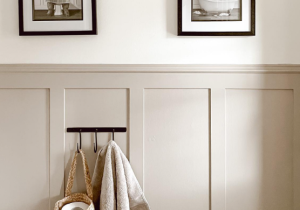
Wall panelling refers to any type of decorative covering applied to interior walls, typically consisting of wooden, MDF, PVC, or other materials formed into panels or boards. These panels can be installed vertically, horizontally, or in various patterns to create different visual effects. The panelling can cover entire walls or specific sections, such as the lower portion of a wall in traditional wainscoting style.
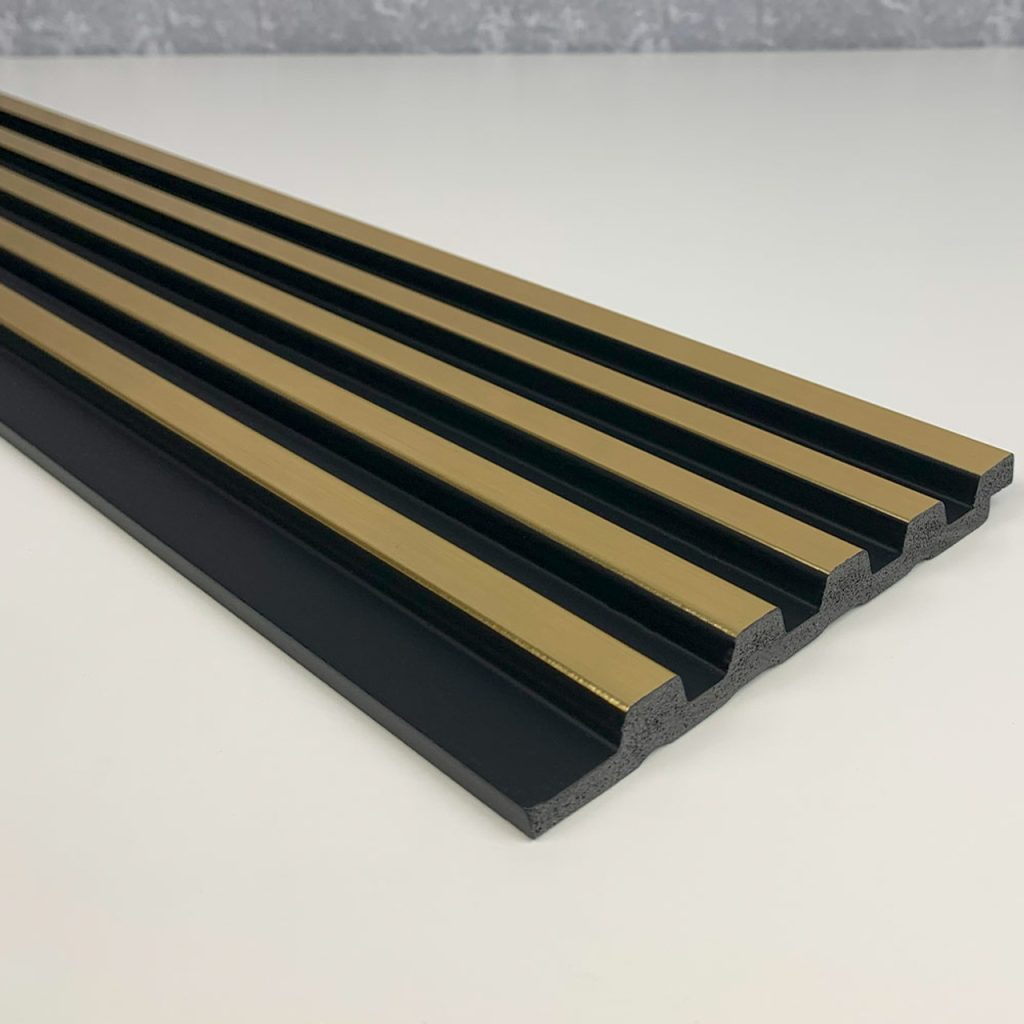
Modern wall panelling comes in numerous forms, including shiplap, board and batten, raised panels, flat panels, and decorative moulding designs. Each style offers distinct characteristics that can dramatically alter a room’s appearance and feel. The choice of material and style depends on factors such as budget, desired aesthetic, room function, and maintenance requirements.
Installation methods vary depending on the type of panelling chosen. Some options require professional installation, while others offer DIY-friendly solutions that homeowners can tackle with basic tools and skills. The flexibility in installation approaches makes wall panelling accessible to a wide range of homeowners with varying skill levels and budgets.
Why Is Wall Panelling Trending Right Now?
Current interior design trends heavily favor wall panelling due to its ability to create focal points and add architectural interest to modern homes that often lack character. Social media platforms showcase stunning wall panelling transformations daily, with over 2.3 million posts tagged with wall panelling-related hashtags across major platforms.
The rise of remote work has increased homeowners’ desire to create beautiful, functional spaces within their homes. Wall panelling offers an effective way to define spaces, create home offices, or establish reading nooks without major structural changes. This adaptability aligns perfectly with current lifestyle needs and explains why interior designers report a 340% increase in wall panelling requests over the past three years.
Sustainability trends also contribute to wall panelling’s popularity. Many manufacturers now offer eco-friendly options made from reclaimed wood, recycled materials, or sustainably sourced timber. This environmental consciousness appeals to homeowners who want to improve their spaces while minimizing their ecological footprint.
What Are the Key Benefits of Installing Wall Panelling?
Wall panelling delivers exceptional aesthetic enhancement by adding texture, depth, and visual interest to otherwise flat walls. This three-dimensional quality creates shadows and highlights that change throughout the day as natural light shifts, keeping spaces dynamic and engaging. The result is a more sophisticated, professionally designed appearance that elevates the entire room’s ambiance.
Protection represents another significant advantage of wall panelling. Panels shield walls from everyday wear and tear, including scuff marks, dents, and scratches that commonly occur in high-traffic areas. This protective quality proves particularly valuable in hallways, dining rooms, and children’s bedrooms where walls face frequent contact.
Insulation benefits make wall panelling an energy-efficient choice. The additional layer provides thermal insulation that can help regulate room temperature, potentially reducing heating and cooling costs. Some panelling materials offer superior insulation properties, making them excellent choices for older homes with poor wall insulation.
Installation versatility allows wall panelling to work in virtually any room and with any design style. Whether your home features modern minimalism, traditional elegance, or rustic charm, appropriate panelling options exist to complement and enhance your existing decor. This adaptability ensures that wall panelling remains a viable option regardless of future design changes.
How Does Wall Panelling Compare to Other Wall Treatments?
Wall panelling offers superior durability compared to wallpaper or paint alone. While painted walls require frequent touch-ups and wallpaper may peel or fade, quality wall panelling can last decades with minimal maintenance. This longevity makes it a cost-effective investment despite higher initial costs.
Maintenance requirements for wall panelling are typically lower than other decorative wall treatments. Most panelling requires only regular dusting and occasional cleaning with appropriate products. Unlike wallpaper, panelling won’t bubble, peel, or require professional removal when style preferences change.
Value addition sets wall panelling apart from temporary wall treatments. Real estate professionals report that well-executed wall panelling can increase home value by 2-5%, depending on the quality of materials and installation. This return on investment makes wall panelling an smart choice for homeowners considering future resale.
What Rooms Benefit Most from Wall Panelling?
Living rooms gain significant character and warmth from wall panelling, particularly when used as an accent wall behind seating areas or entertainment centers. The added texture creates a cozy atmosphere that encourages relaxation and conversation. Statistics show that 89% of homeowners who installed panelling in living rooms reported feeling more satisfied with their space’s comfort level.
Dining rooms represent ideal candidates for wall panelling due to the protection it offers against chair backs and the formal atmosphere it creates. Wainscoting or full-wall panelling in dining rooms can transform casual eating areas into elegant spaces suitable for entertaining guests.
Bedrooms benefit from wall panelling’s ability to create focal points behind headboards while providing sound dampening qualities that improve sleep quality. The additional insulation can help regulate temperature, contributing to more comfortable sleeping conditions.
Home offices gain sophistication and professionalism from wall panelling installations. Video conference backgrounds appear more polished, and the improved acoustics can enhance call quality. Remote workers report feeling more productive in home offices featuring wall panelling.
How Much Value Does Wall Panelling Add to Your Home?
Property values see measurable increases when quality wall panelling is professionally installed. Appraisers consider well-executed panelling as an architectural feature that enhances a home’s character and appeal. Recent market analysis indicates that homes with wall panelling sell 12% faster than comparable properties without this feature.
Rental properties with wall panelling command higher monthly rents due to their perceived luxury and reduced maintenance requirements. Landlords report that tenants treat panelled walls with more respect, leading to lower turnover costs and reduced repair expenses between tenancies.
Long-term investment potential makes wall panelling financially attractive beyond immediate aesthetic improvements. Quality materials and professional installation create lasting value that appreciates over time, unlike temporary decorative treatments that depreciate immediately after installation.
What Maintenance Does Wall Panelling Require?
Regular maintenance for wall panelling involves simple cleaning routines that most homeowners can easily manage. Weekly dusting with microfiber cloths removes surface dirt and prevents buildup that could dull the panel’s appearance. Monthly cleaning with appropriate cleaners maintains the panelling’s finish and extends its lifespan.
Seasonal maintenance may include checking for loose panels, minor scratches, or finish wear in high-traffic areas. Early attention to these issues prevents larger problems and maintains the panelling’s appearance. Most maintenance tasks require only basic tools and minimal time investment.
Professional maintenance becomes necessary only when significant damage occurs or when refinishing is desired to change color or sheen. Quality panelling may require professional attention only once every 10-15 years, making it extremely low-maintenance compared to other wall treatments.
Making the Right Choice for Your Space
Wall panelling represents a smart investment that combines aesthetic enhancement with practical benefits. The ability to protect walls, improve insulation, and add lasting value makes it superior to many alternative wall treatments. Current trends suggest that wall panelling will remain popular for years to come, ensuring that your investment stays stylistically relevant.