The Data-Driven Guide to Eco-Friendly Tobacco Beetle Control
Agricultural storage facilities, museums, and food processing centers constantly face the threat of Lasioderma serricorne, a pervasive pest capable of…
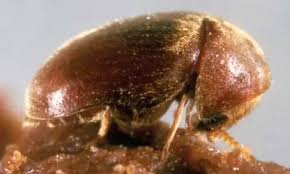
Agricultural storage facilities, museums, and food processing centers constantly face the threat of Lasioderma serricorne, a pervasive pest capable of decimating valuable inventory. Left unchecked, these insects multiply rapidly in warm, humid conditions, compromising product integrity and workplace safety. Implementing a reliable Tobacco beetle trap is essential for monitoring and managing these populations before they cause irreversible economic loss. Today, forward-thinking facility managers are shifting toward sustainable, data-backed solutions to protect their environments without relying on harsh, outdated chemical applications.
What is the true economic impact of unchecked infestations?
Research indicates that stored product pests cause billions of dollars in global agricultural and commercial losses annually. For facilities handling cured leaves, spices, botanical extracts, or pet food, a localized outbreak can quickly contaminate entire supply chains. This leads to costly product recalls, wasted materials, and severe brand damage. Statistics show that early detection through active monitoring can reduce inventory loss by up to 70%. By transitioning to targeted tracking systems rather than waiting for visible damage to occur, businesses protect their bottom line and maintain uninterrupted operations.
How do pheromone-based tracking systems perform in real-world settings?
Pheromone technology relies on specific biological triggers rather than broad-spectrum toxic substances to capture adult insects. By emitting a highly targeted synthetic version of the female sex pheromone, these setups attract males, successfully disrupting the mating cycle and drastically reducing subsequent generations. Field studies consistently reveal that pheromone lures maintain an efficacy rate of over 85% in controlled warehouse environments. This impressive capture rate provides facility operators with accurate, real-time data to map infestation hotspots and measure population density across different storage zones.
Why are non-toxic solutions rapidly replacing traditional chemical pesticides?
Strict regulatory pressures and increasing consumer demand for safer, greener products have driven a massive industry shift away from conventional chemical treatments. Traditional pesticides often leave unwanted chemical residues, which is entirely unacceptable in consumable goods and sensitive environments. According to recent global industry surveys, over 60% of commercial storage facilities are actively reducing their reliance on chemical fumigants. Eco-friendly solutions offer a clean, zero-residue alternative. This ensures full compliance with stringent international health and safety standards while maintaining a completely safe, breathable workspace for warehouse employees.
When is the optimal time to deploy these monitoring units for maximum data accuracy?
Temperature and humidity play a critical role in the reproductive lifecycle of these pests. Activity typically spikes when ambient warehouse temperatures exceed 65 degrees Fahrenheit. Deploying monitoring units just before the onset of warmer seasons allows quality control managers to establish an accurate statistical baseline. Analytical review of capture rates during the first few weeks of spring provides powerful predictive insights. This foresight enables facility teams to take preemptive action, neutralizing the threat well before the pest population reaches an exponential, unmanageable growth phase.
What are the measurable long-term benefits of a sustainable management approach?
Transitioning to green, environmentally conscious pest management yields highly quantifiable financial and operational results. Facilities utilizing non-toxic monitoring report a 40% reduction in overall pest control expenditures within the first two years of implementation. Furthermore, continuous tracking allows for highly targeted, localized interventions rather than facility-wide shutdowns, significantly minimizing operational downtime. The data collected from these units integrates seamlessly into modern quality assurance protocols, providing documented proof of a safe, pest-free environment for regulatory auditors and demanding clients.
Securing Your Facility with Smart, Sustainable Strategies
Protecting valuable inventory from destructive pests requires a proactive, data-informed strategy rather than reactive measures. By analyzing capture statistics and prioritizing biological controls, organizations can eliminate infestations effectively while upholding the highest environmental standards. Assess your current storage conditions today, and consider integrating sustainable monitoring systems to secure a safer, more profitable, and eco-friendly future for your entire facility.