How Minimally Invasive Spine Surgery Can Support Safer, More Efficient Recovery in Tampa
Minimally invasive spine — How Minimally Invasive Spine Surgery Can Support Safer, More Efficient Recovery in Tampa
What should patients know before considering spine surgery? Back and neck conditions can affect mobility, sleep, work, and everyday activities, making an informed treatment decision especially important. Minimally Invasive Spine Surgery in Tampa, FL is designed to address certain spinal conditions through smaller surgical access points while limiting disruption to surrounding tissues. The approach has become an important option for appropriately selected patients seeking focused treatment and a structured path toward recovery.
Table of Contents
- What is minimally invasive spine surgery?
- Which spinal conditions may be treated?
- What are the potential benefits?
- How does a patient know if surgery is appropriate?
- What does the recovery process involve?
- Why is experience important when selecting treatment?
- What should patients ask during a consultation?
- How can patients make informed spine-care decisions?
What is minimally invasive spine surgery?
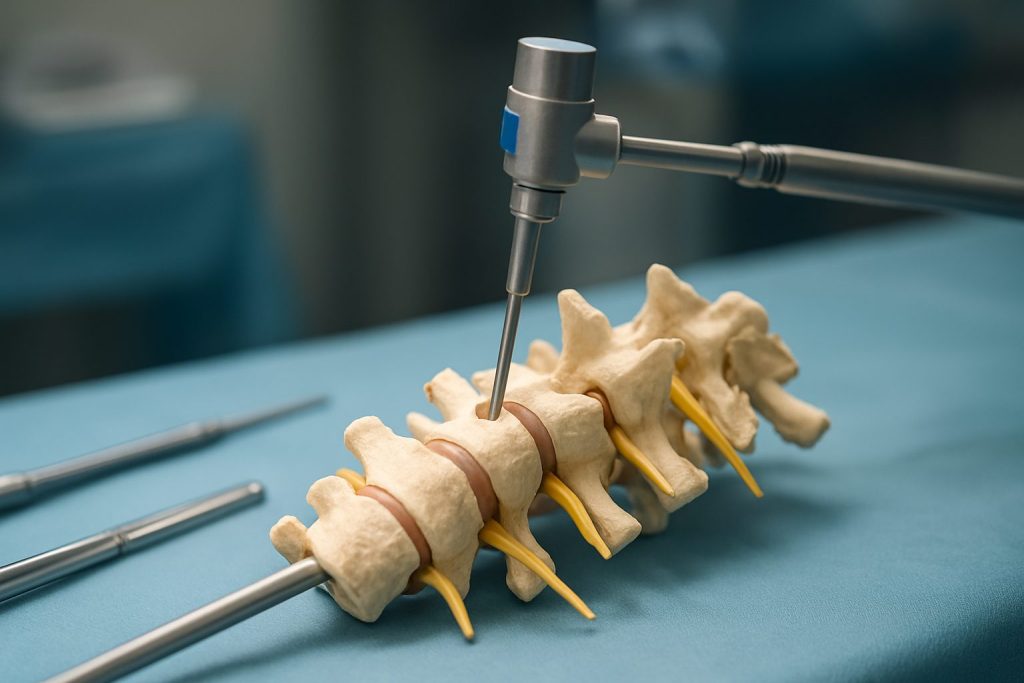
Minimally invasive spine surgery uses specialized instruments and imaging guidance to reach the affected area through smaller openings than those typically used in traditional open procedures. The goal is to treat the underlying spinal problem while reducing unnecessary disturbance to nearby muscles and soft tissues.
The exact technique depends on the diagnosis, spinal level, symptoms, and overall health of the patient.
Which spinal conditions may be treated?
Several conditions may be considered for minimally invasive techniques. Common examples include herniated discs, spinal stenosis, degenerative disc disease, certain spinal instability problems, and some nerve-compression conditions.
A clinical evaluation is necessary because not every spinal disorder can or should be treated through a minimally invasive approach. Imaging studies, physical findings, medical history, and symptom patterns help determine the most appropriate treatment pathway.
What are the potential benefits?
One frequently discussed benefit is reduced disruption to surrounding tissue. Smaller surgical access points may support less postoperative soreness and allow patients to begin movement sooner when medically appropriate.
Other potential advantages can include reduced blood loss, smaller incisions, shorter hospital stays in selected procedures, and a more manageable recovery process. Outcomes vary significantly according to the procedure and individual patient factors, so these benefits should be discussed with a qualified spine specialist rather than viewed as guarantees.
How does a patient know if surgery is appropriate?
Surgery is generally considered after a careful assessment of symptoms and previous treatments. Persistent pain, weakness, numbness, or reduced function may prompt further investigation, particularly when conservative care has not provided adequate improvement.
A professional evaluation can help determine whether the symptoms are actually originating from the spine. This distinction is important because back or neck pain can have multiple causes, and surgery is not automatically the right solution.
What does the recovery process involve?
Recovery depends on the type of procedure performed and the patient’s individual circumstances. Some patients may return to light activities relatively quickly, while others require a longer rehabilitation period.
Postoperative instructions commonly focus on gradually increasing activity, protecting the treated area, attending follow-up appointments, and completing recommended physical therapy when appropriate. Patients should follow their surgical team’s guidance regarding lifting, driving, exercise, work, and other daily activities.
Why is experience important when selecting treatment?
Spinal anatomy is complex, and treatment requires careful planning. A surgeon evaluates imaging, neurological findings, symptoms, and overall health before recommending a procedure.
Modern minimally invasive techniques also depend on appropriate patient selection. A professional consultation should explain the expected benefits, potential risks, alternatives, and realistic recovery expectations.
What should patients ask during a consultation?
Patients can make consultations more productive by preparing questions in advance. Useful topics include the specific diagnosis, purpose of the recommended procedure, available nonsurgical alternatives, expected recovery timeline, activity restrictions, potential complications, and follow-up care.
It is also helpful to understand how the proposed procedure addresses the source of symptoms rather than simply treating discomfort.
How can patients make informed spine-care decisions?
Reliable information and individualized medical guidance are essential. Patients should consider their symptoms, diagnostic findings, previous treatments, lifestyle needs, and long-term goals before choosing surgery.
For eligible patients, minimally invasive techniques can provide a focused surgical option while emphasizing tissue preservation and recovery planning. A thorough evaluation remains the most important first step toward determining whether the approach is suitable for a particular spinal condition.