Death of Delhi University: Is it the Worst Change Ever?
Death of Delhi University raises questions about future changes and impacts on students and faculty.
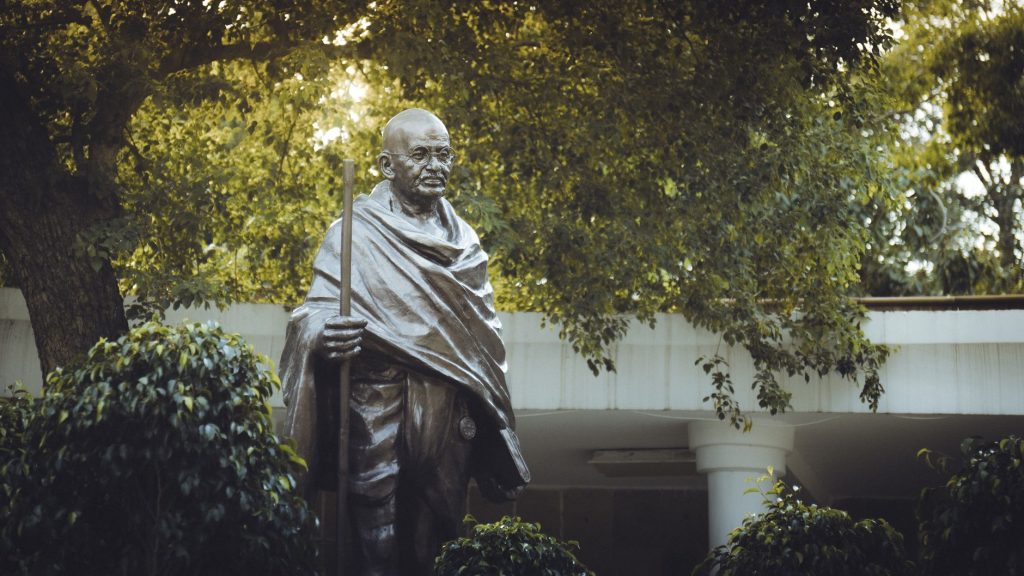
The Death of Delhi University has left many wondering about the future of education in the capital. Will things change for the better or worse?
Overview of Delhi University’s Closure
The recent announcement regarding the death of Delhi University has sent shockwaves through the academic community and beyond. This closure marks a significant turning point in the history of higher education in India, raising questions about the future of thousands of students and faculty members.
Delhi University, once a prestigious institution known for its diverse programs and vibrant campus life, is now facing an uncertain fate. The decision to shut down the university has been met with widespread criticism and concern. Stakeholders are worried about the implications for education standards and the loss of a vital academic hub.
Key factors contributing to the closure include:
- Financial Mismanagement: Reports indicate severe budgetary constraints that have hindered the university’s ability to function effectively.
- Declining Enrollment: A significant drop in student admissions has raised alarms about the institution’s viability.
- Political Pressure: Ongoing debates around educational reforms have added to the turmoil within the university’s administration.
As the news spreads, former students and educators are left reminiscing about their experiences, questioning what this means for the future of education in India. Many are asking, will things indeed change, or is this the worst change ever for Delhi University and its legacy?
Impact on Students and Faculty
The recent announcement regarding the death of Delhi University has left both students and faculty members grappling with uncertainty about their futures. The closure not only disrupts academic schedules but also deeply affects the overall educational environment.
Students, who have invested years in their education, are particularly concerned about the ramifications of this decision. Many fear that:
- Transferring to other institutions may not guarantee the same quality of education.
- They will lose valuable connections and friendships forged during their time at the university.
- Their career prospects may be hindered due to the sudden upheaval.
Faculty members are equally troubled by the death of Delhi University. With their professional lives intertwined with the institution, they face a myriad of challenges:
- Job security and potential layoffs loom large in their minds.
- The need to adapt to new teaching environments may require significant effort and adjustment.
- Research projects and collaborations could suffer setbacks or even come to a halt.
The emotional toll of this situation cannot be overstated. As students and faculty navigate the shock of this closure, questions arise about the future of education in the region. The implications of such a drastic change will surely resonate for years to come.
Historical Significance of Delhi University
The Death of Delhi University marks a significant turning point in the landscape of higher education in India. Established in 1922, the university has played a pivotal role in shaping the academic and cultural fabric of the nation. Its historical significance cannot be overstated, as it has been home to numerous luminaries who have contributed to various fields, including politics, literature, science, and arts.
Throughout its existence, Delhi University has fostered an environment of intellectual rigor and diversity. This institution has been a melting pot of ideas, attracting students from across the country and beyond. The university’s commitment to excellence has produced a plethora of distinguished alumni, who have gone on to make impactful contributions both nationally and globally.
Moreover, Delhi University has been instrumental in promoting social justice and equality. Through various programs and initiatives, it has aimed to provide access to quality education for underrepresented communities. The university’s legacy is intertwined with movements for change, empowerment, and progress, making its closure a significant loss for many.
As we reflect on the Death of Delhi University, it raises critical questions about the future of higher education in India. Will this change lead to a re-evaluation of educational priorities? Or will it herald a new era, devoid of the rich history and tradition that Delhi University has embodied?
Future of Higher Education in India
The recent death of Delhi University has sparked a significant debate regarding the future of higher education in India. With one of the nation’s premier institutions no longer operational, many are left wondering what this means for aspiring students.
As universities across the country scramble to fill the void, several key trends are emerging:
- Rise of Online Education: Educational institutions are increasingly adopting digital platforms for learning, making education more accessible but also raising questions about the quality of education.
- Regional Disparities: The closure of a central university like Delhi University may exacerbate the existing inequalities in higher education, with students from less privileged backgrounds facing greater challenges.
- Increased Competition: Other universities may experience a surge in enrollment as students seek alternatives, leading to intensified competition among institutions.
- Policy Reforms: The government may need to rethink its higher education policies to ensure that the loss of such a significant institution does not hinder educational progress.
While the death of Delhi University marks a pivotal moment, it also presents an opportunity for innovation and restructuring within the higher education system. Stakeholders must engage in meaningful dialogue to ensure that the future remains bright for students across the nation.
Reactions from the Academic Community
The recent announcement regarding the death of Delhi University has sparked intense reactions from various members of the academic community. Many educators and scholars are expressing deep concern over the implications this closure might have on the future of higher education in India.
Prof. Anjali Mehta, a prominent figure in the field of sociology, stated, “The death of Delhi University represents not just the end of an institution, but a significant loss to academic freedom and diversity in India.” Her sentiments were echoed by several colleagues who fear that the closure could lead to a homogenization of higher education.
In a recent forum, many faculty members voiced their distress over the potential repercussions for students. “This is a tragic moment for our educational landscape,” remarked Dr. Rajiv Kapur, a veteran professor of history. “Delhi University has been a beacon of knowledge, and its death signifies a troubling trend in how we value education.”
Students have also taken to social media to express their outrage and disbelief. Many have organized protests, claiming that the death of Delhi University is a direct assault on their future and aspirations. “We cannot let this happen without a fight,” said a student leader during a rally.
This widespread backlash highlights the profound impact that the closure of such a vital institution will have on the academic fabric of the nation.
Government Response to the Closure
In response to the alarming closure of Delhi University, the government has issued a series of statements aimed at addressing concerns from students, faculty, and the general public. Officials have emphasized their commitment to maintaining educational standards and ensuring that students are not adversely affected by the decision. Despite these assurances, many remain skeptical about the long-term implications of the death of Delhi University.
The Ministry of Education has announced plans to implement alternative measures, including:
- Online Learning Platforms: Expanding access to digital resources to support students who may be left without traditional classroom environments.
- Collaboration with Other Institutions: Encouraging partnerships with other universities to facilitate knowledge transfer and resource sharing.
- Financial Support Programs: Developing financial aid options for students struggling due to the closure.
However, critics argue that these measures may not be sufficient to address the root causes of the closure. Many academics fear that the legacy of Delhi University, known for its vibrant campus life and academic rigor, could be irreparably damaged. The government’s rapid response, while necessary, has not quelled fears that the death of Delhi University marks a troubling trend in higher education across the country.
What Happens Next for Delhi University?
The recent announcement regarding the Death of Delhi University has left many wondering about the immediate future of the institution and its stakeholders. As discussions unfold, several key areas will likely shape what happens next for Delhi University.
- Transition Plans: The university administration is expected to develop a comprehensive transition plan to address the closure, focusing on transferring students to other institutions and ensuring that faculty members are accommodated elsewhere.
- Student Support Services: It is crucial to establish support services for affected students, including counseling and guidance on academic pathways, to help them navigate this uncertain period.
- Policy Discussions: Policymakers will engage in discussions regarding the future of higher education in India, influenced by the implications of Delhi University’s closure. This may lead to reforms aimed at preventing similar situations in the future.
- Community Reactions: Continued dialogue within the academic community is essential. Students, faculty, and alumni are likely to advocate for the preservation of educational values and the importance of institutional stability.
- Long-term Consequences: The long-term effects of this closure will evolve over time, influencing the reputation of higher education in India and prompting necessary changes in how universities operate.
In summary, the path ahead for Delhi University is fraught with challenges, requiring careful consideration and strategic action from all involved parties.
The recent reforms have sparked widespread debate on the implications of the Death of Delhi University. Many students and faculty members argue that the Death of Delhi University signifies a decline in educational standards that could have lasting effects.
Photo by Ryan Thomas on Pexels
Where this came from
LPG refill booking period cut: 25 days for rural areas · Understanding Demo Access Through a Mega888 Test ID · How Bruce Hensel Connects Academic Knowledge With Real-World Communication