Delhi building collapse: Worst measures after tragedy
Delhi building collapse has prompted strict measures from the government to ensure safety and prevent future incidents.
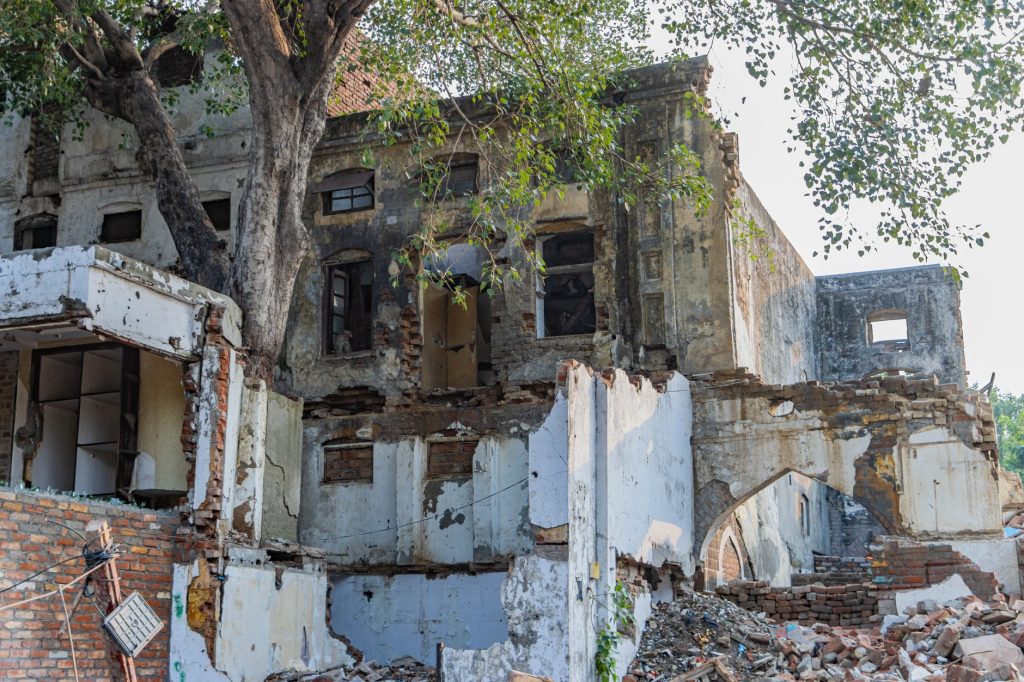
Delhi building collapse has led to immediate government action, as officials announce strict measures to enhance safety protocols and prevent similar tragedies in the future.
Background of the Delhi building collapse
The recent Delhi building collapse at Satya Niketan has raised significant concerns regarding safety regulations and construction practices in the city. On the evening of the incident, the multi-story structure crumbled unexpectedly, leading to tragic loss of life and injuries to numerous residents. Eyewitnesses reported hearing a loud noise before the building fell, prompting immediate emergency responses.
Authorities have been scrutinizing the circumstances surrounding the collapse, with initial investigations suggesting potential violations of building codes. The Chief Minister addressed the media, emphasizing the need for stricter enforcement of safety measures in construction. The incident has highlighted systemic issues in urban planning and the oversight of building standards in Delhi.
In the wake of this disaster, the Delhi government has announced a series of urgent measures aimed at preventing future tragedies, including:
- Increased inspections of existing buildings
- Stricter penalties for non-compliance with safety regulations
- Enhanced training programs for construction workers
These steps are part of a broader initiative to ensure the safety and well-being of residents in the capital.
Government’s response to the incident
In the wake of the devastating Delhi building collapse, the government has taken immediate action to address the tragic event. Chief Minister Arvind Kejriwal announced a series of strict measures aimed at preventing similar incidents in the future.
The measures include:
- Increased inspections: Authorities will conduct thorough inspections of all buildings across the city, focusing on older structures and those with known safety violations.
- Stricter penalties: Builders and property owners found to be in violation of safety regulations will face harsher penalties, including hefty fines and potential imprisonment.
- Public awareness campaigns: The government plans to launch initiatives to educate citizens about building safety and how to report unsafe structures.
- Emergency response improvements: Enhancements are set to be made in emergency response protocols to ensure faster action during building collapses or similar disasters.
These measures reflect the government’s commitment to improving safety standards and restoring public confidence following the tragic Delhi building collapse that claimed several lives and left many injured.
Impact on local residents
The recent Delhi building collapse has left a profound impact on local residents, many of whom are grappling with the aftermath of this tragic event. The collapse not only claimed lives but also raised concerns about safety and building regulations in the area.
Residents expressed their fears regarding the structural integrity of nearby buildings, leading to widespread anxiety about potential risks. In the wake of the collapse, many have called for urgent inspections of existing structures to prevent further tragedies.
In response to this disaster, the Delhi government has promised to implement stricter regulations to ensure safety compliance. Local community leaders have emphasized the need for:
- Regular safety audits of all residential buildings
- Increased transparency regarding building permits
- Public awareness campaigns about tenant rights and building safety
Furthermore, many families are now facing housing insecurity as they are forced to evacuate unsafe buildings. The emotional toll is evident, as residents mourn the loss of their neighbors while striving to rebuild their lives in the wake of the Delhi building collapse.
Safety measures being implemented
In the aftermath of the Delhi building collapse, authorities have announced a series of safety measures aimed at preventing similar tragedies in the future. These measures are part of a comprehensive strategy to enhance building safety and ensure compliance with existing regulations.
Key safety measures being implemented include:
- Mandatory structural audits: All residential and commercial buildings over a certain height will undergo rigorous inspections to assess their structural integrity.
- Enhanced enforcement of building codes: Local authorities will increase inspections and impose stricter penalties on developers who violate safety regulations.
- Public awareness campaigns: The government plans to launch educational initiatives to inform residents about the importance of reporting unsafe building conditions.
- Collaboration with engineering experts: The Delhi government has partnered with civil engineering professionals to review current standards and recommend updates.
These proactive steps are crucial to restoring public confidence following the devastating incident. The aim is not just to respond to the Delhi building collapse but to create a safer urban environment for all residents.
Expert opinions on building safety
Experts have raised significant concerns regarding the safety standards of buildings in Delhi following the recent building collapse. The Delhi building collapse has highlighted the urgent need for a comprehensive review of construction practices in the city.
Architects and civil engineers emphasize the importance of adhering to established safety protocols. Dr. Aditi Sharma, a prominent architect, stated, “The integrity of structures must be prioritized to prevent such tragedies. Regular inspections and adherence to building codes are essential.”
Moreover, Professor Rajiv Mehta, a civil engineering expert, pointed out, “The use of substandard materials often compromises the safety of buildings. Authorities must enforce strict regulations to ensure only quality materials are used.”
In light of this incident, many experts advocate for enhanced training for construction workers. “Educating workers about safety practices can significantly reduce risks,” suggested Dr. Neha Kapoor, a safety consultant.
There is a consensus among professionals that community awareness and engagement in monitoring construction activities are vital. As the city grapples with the aftermath of the Delhi building collapse, experts urge for immediate action to prevent future incidents.
Future of urban construction in Delhi
The recent Delhi building collapse has raised urgent questions about the future of urban construction in the city. As the authorities scramble to enhance safety measures, there is a growing consensus among experts that the focus must shift towards sustainable and resilient building practices.
In light of the tragedy, the Delhi government is considering implementing stricter regulations on construction materials and methods. Architects and urban planners are advocating for the integration of modern technologies that can monitor structural integrity in real-time. This could potentially prevent another disaster like the recent Delhi building collapse.
Moreover, the government is expected to prioritize public awareness campaigns aimed at educating developers and residents about building safety standards. As part of these initiatives, a comprehensive review of existing structures in vulnerable areas is being proposed to identify those that may be at risk.
Ultimately, the future of urban construction in Delhi hinges on a collective effort to embrace innovative solutions and enforce stringent regulations, ensuring that safety is never compromised in the pursuit of rapid development.
Photo by Shantum Singh on Pexels
Read the original
lokmattimes.com · Dazhi building collapse
Death of Delhi University: Is it the Worst Change Ever? · LPG refill booking period cut: 25 days for rural areas · Understanding Demo Access Through a Mega888 Test ID